Dark

Sky
  • Observing nights
  • Astrophotography
  • Instrument time
  • Winter residency
  • 4,480 m
  • Bortle 1
  • 212 clear nights
  • Est. 2019
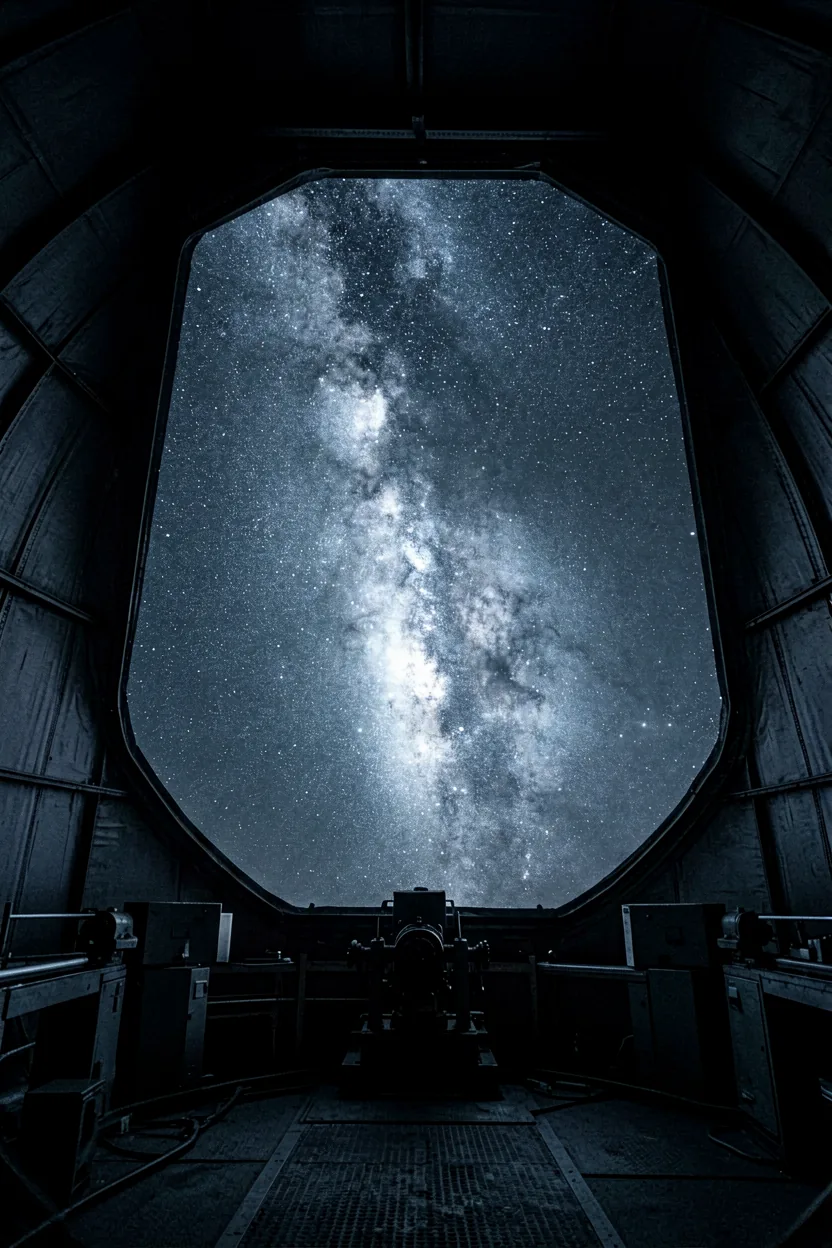
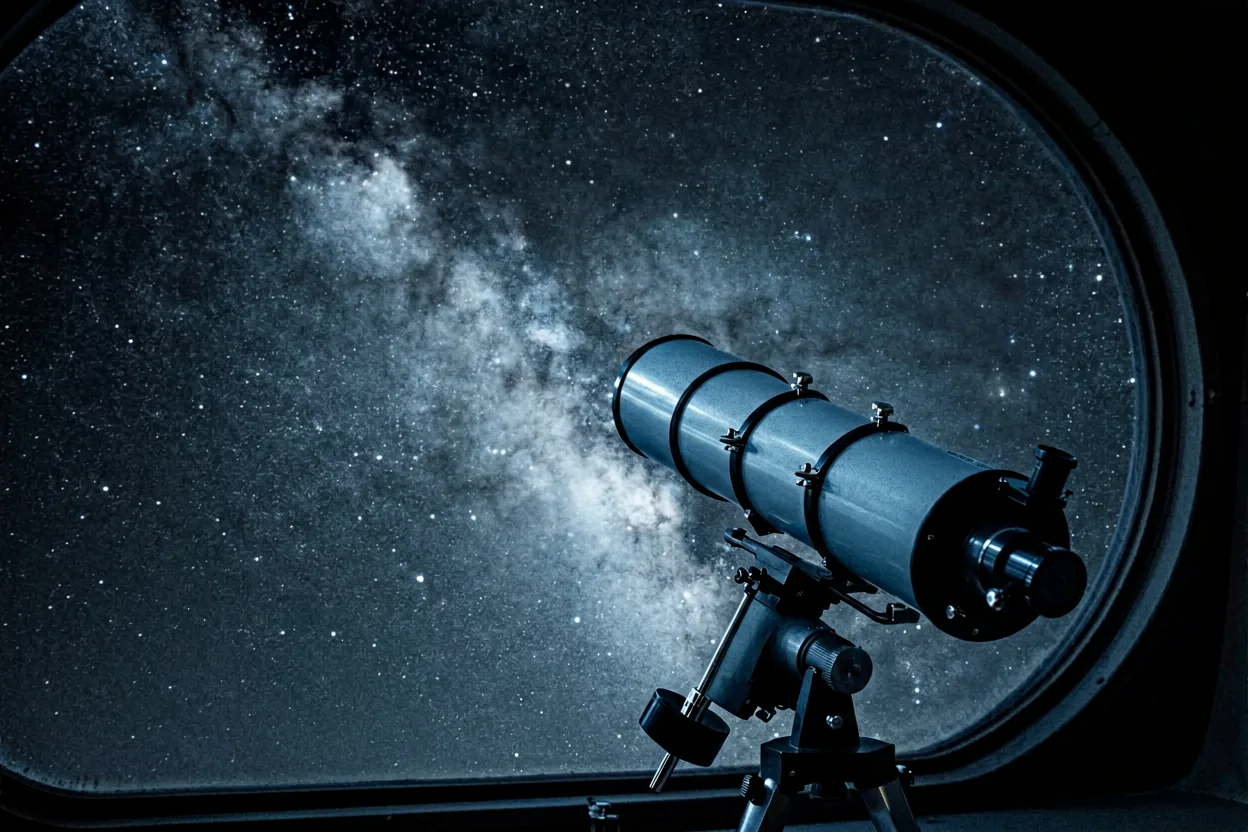
The open slit of the station dome framing a vertical band of the Milky Way.
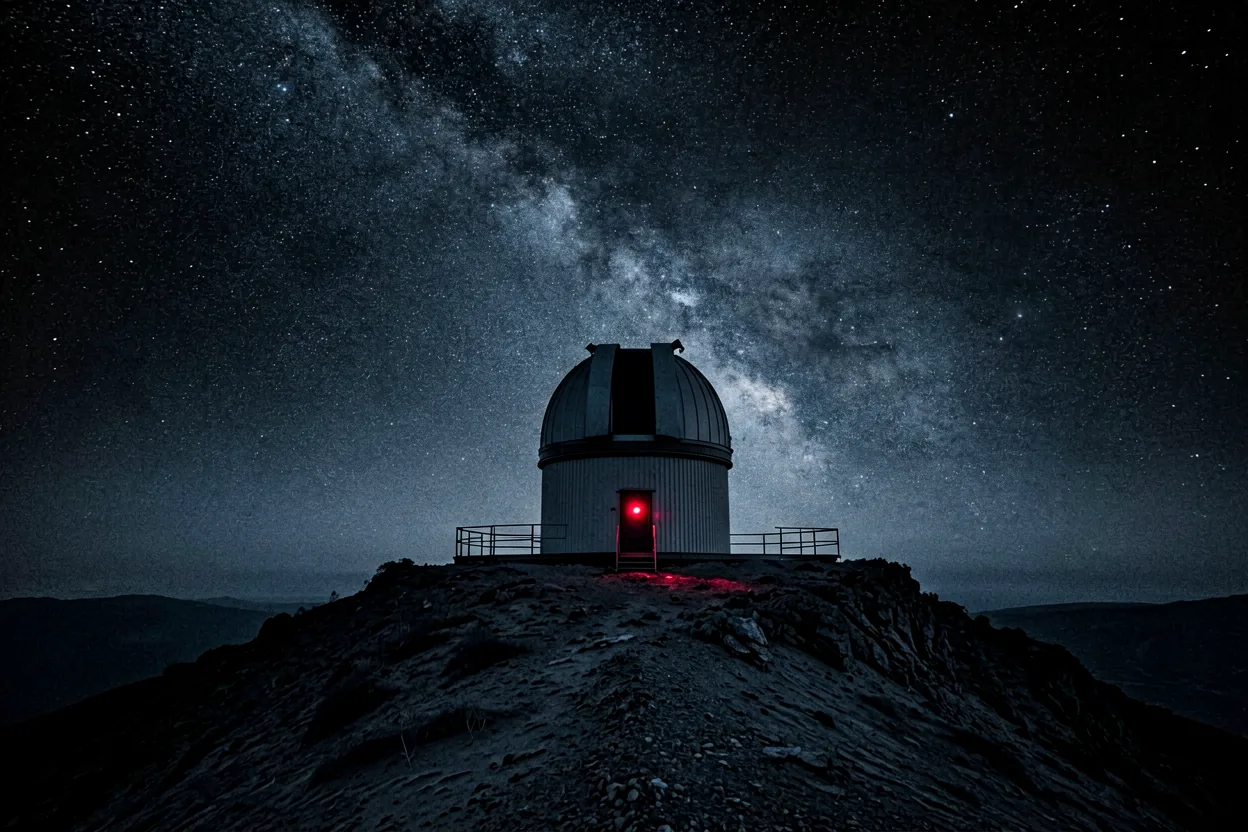
The station dome in silhouette against a dense starfield.
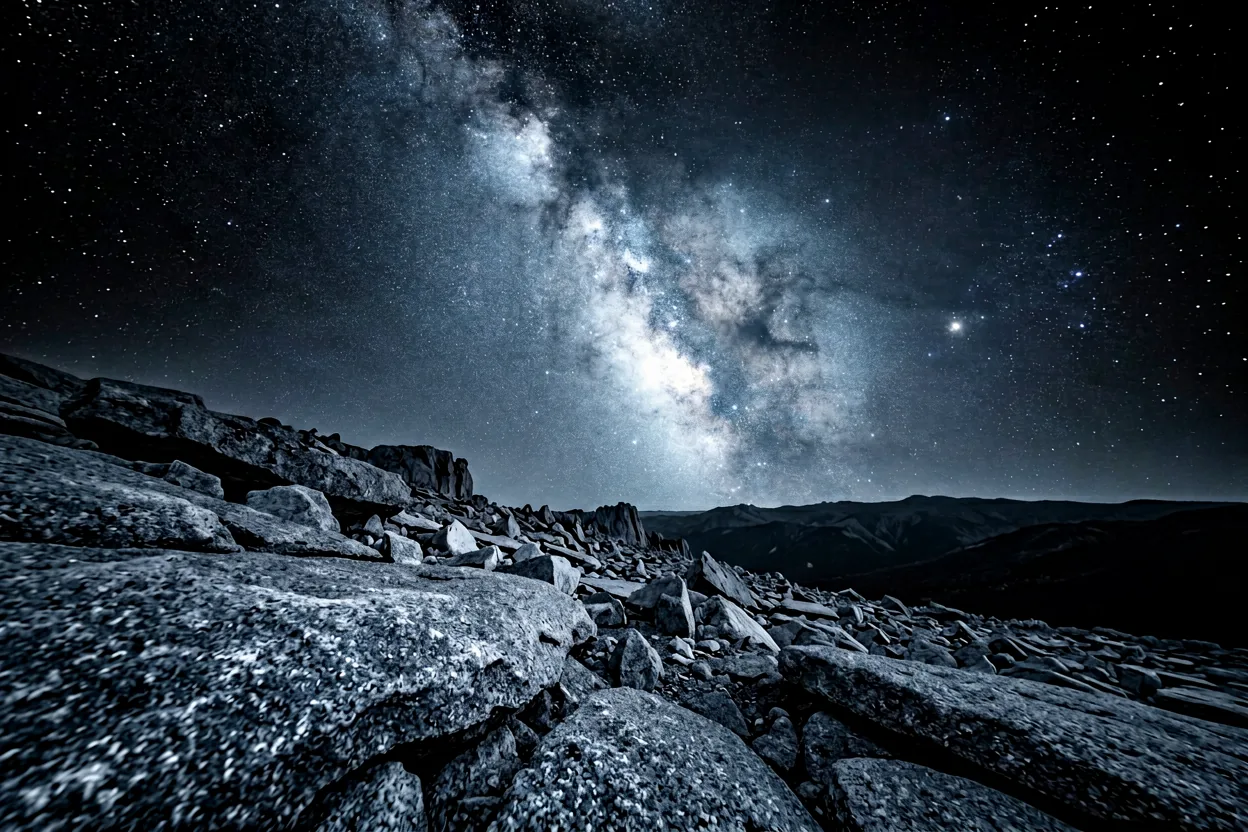
The core of the Milky Way rising over granite scree.
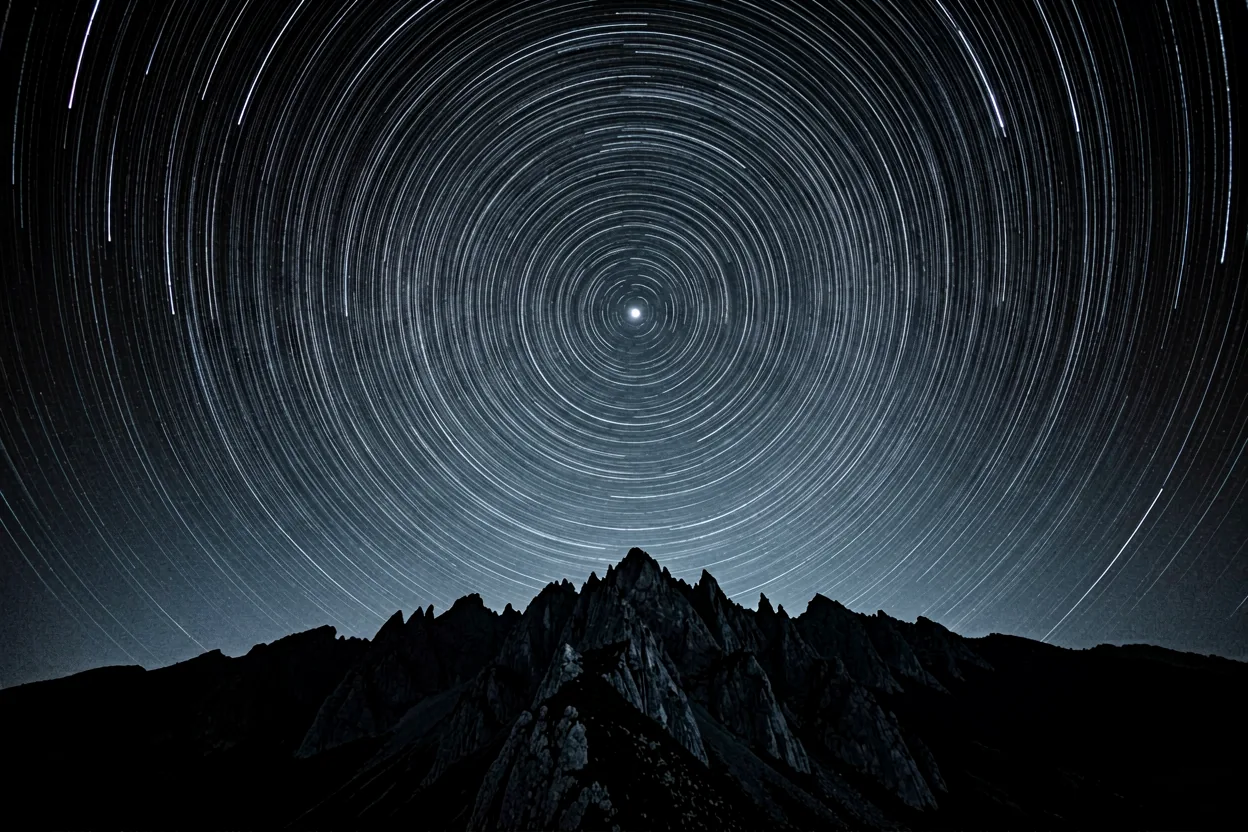
Circumpolar star trails arcing above a black ridge.
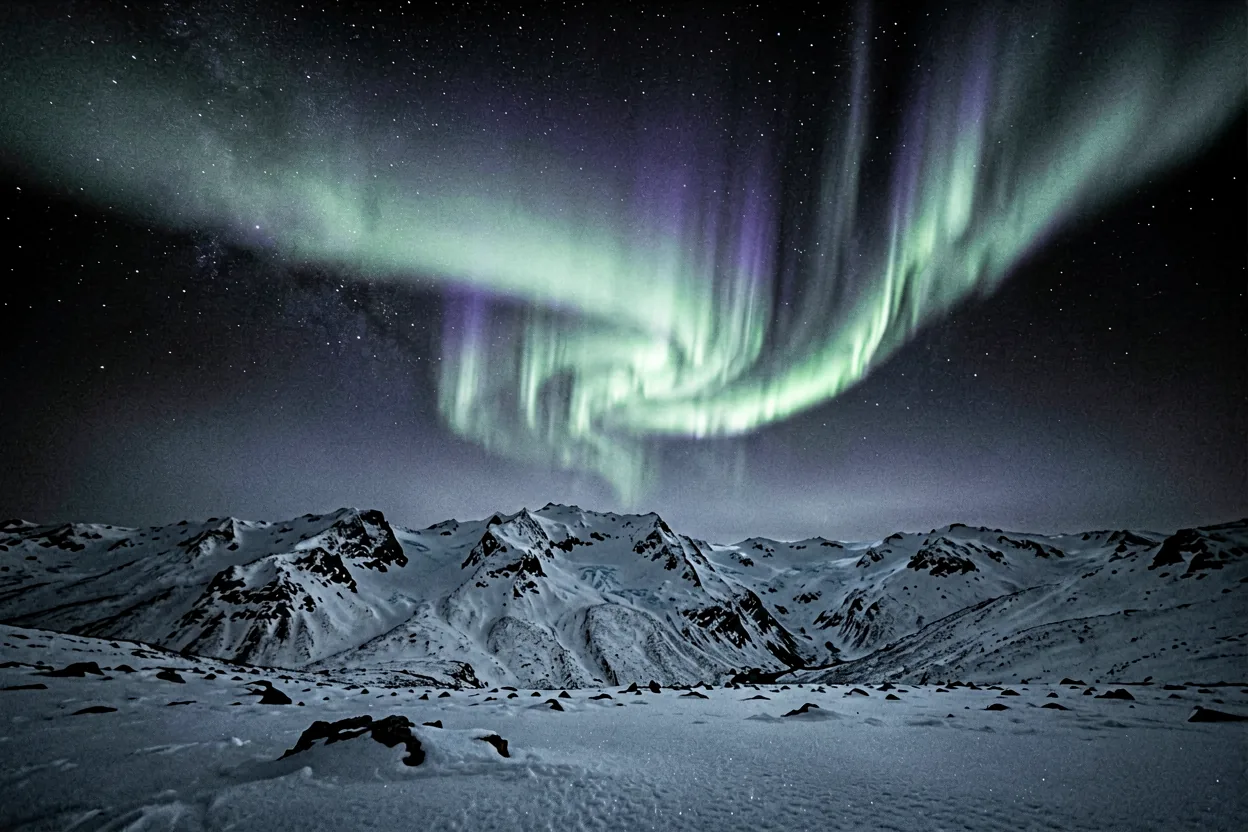
Faint aurora over a snow-covered ridge.
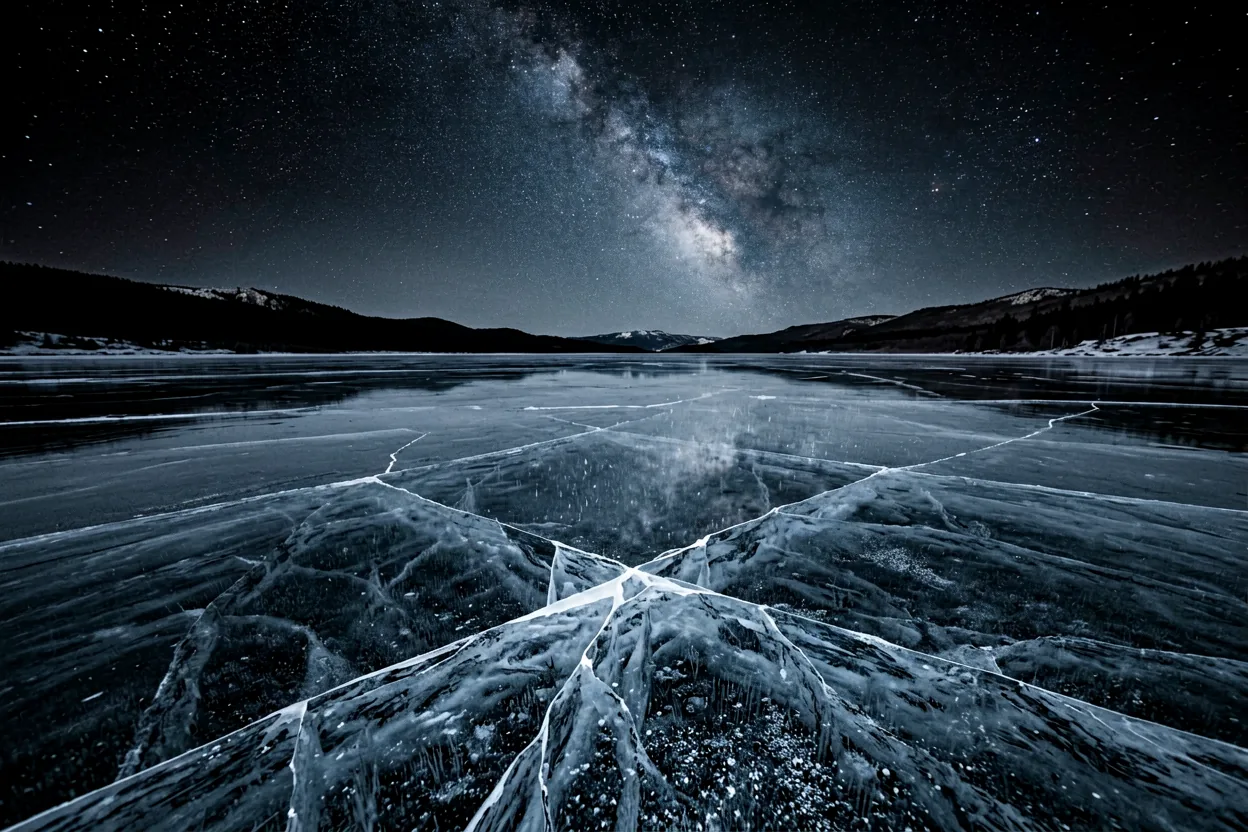
A frozen high-altitude lake mirroring the stars.
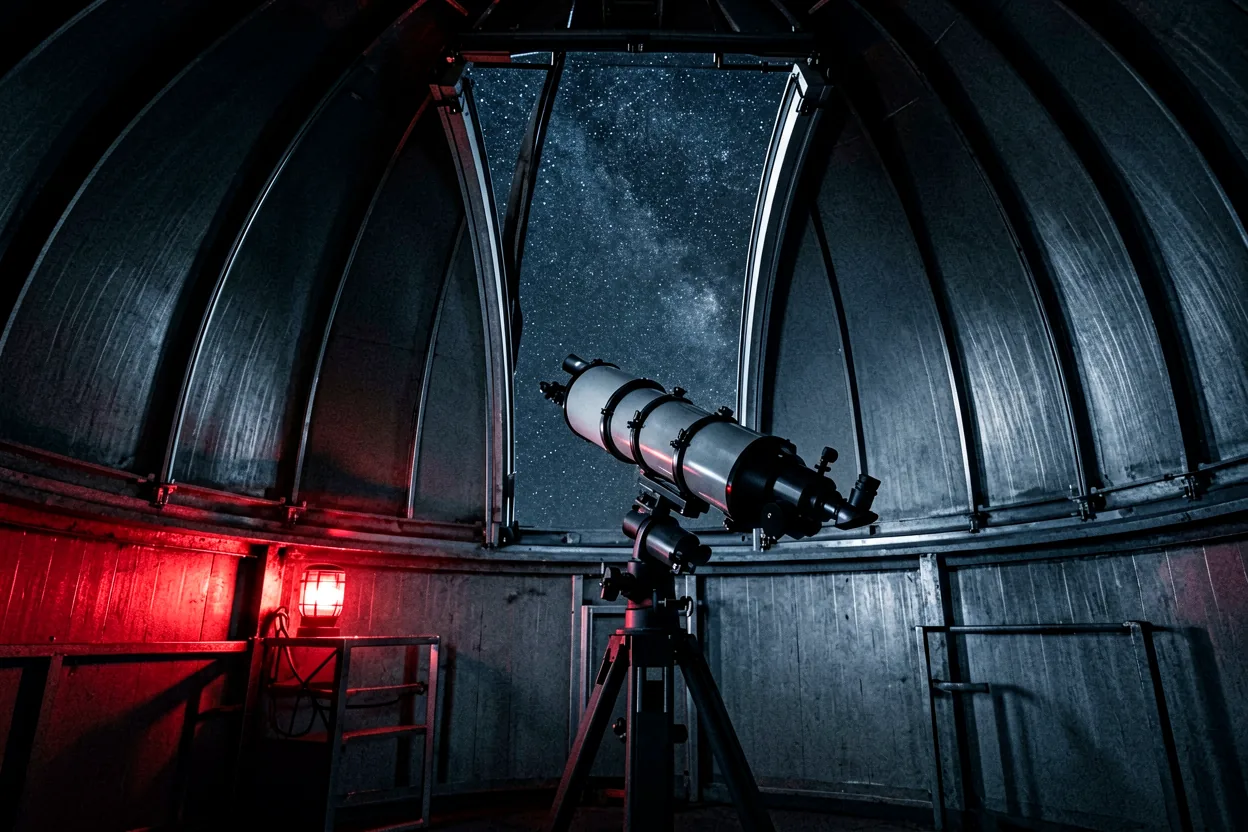
Inside the dome, the slit open to the sky.

( 01 ) The station

Four instruments,
one very dark sky.

01 The dome interior at night, slit open, lit by a dim red safelight.

The Dome

A 4.2 m fibreglass shell on a rotating ring. Opens in ninety seconds, holds against 70 km/h katabatic wind off the col.

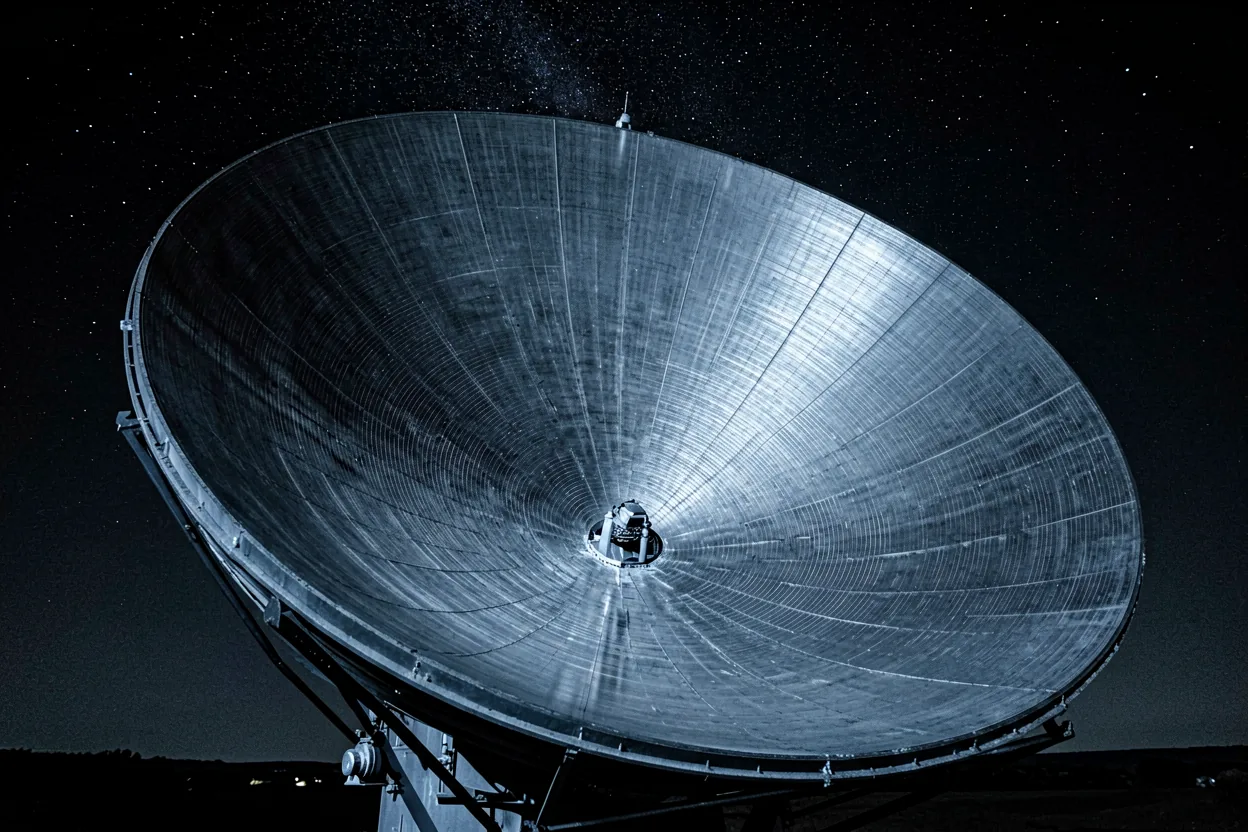
02 Macro detail of a parabolic telescope primary mirror.

The Mirror

A 700 mm f/4 primary, aluminised on site each spring. Booked in four-hour blocks, remotely or with an operator beside you.

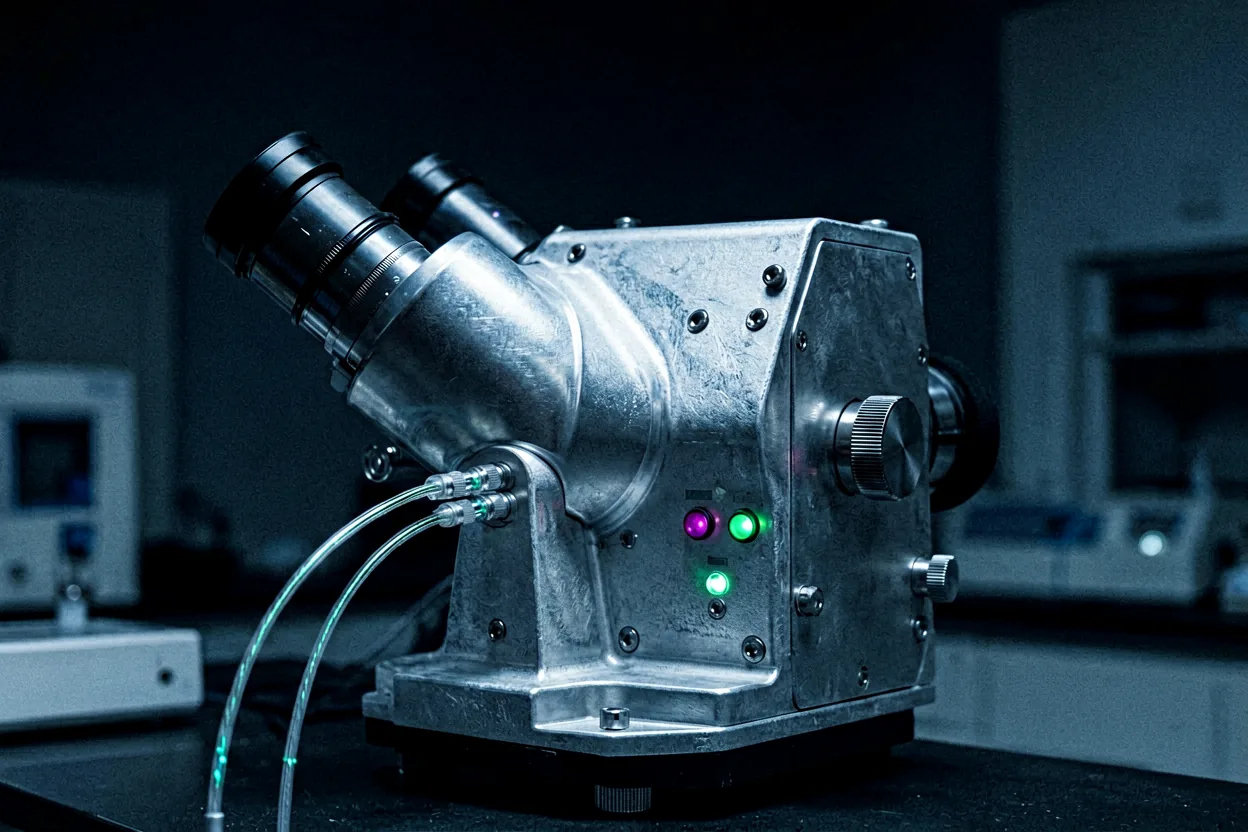
03 A spectrograph instrument in a darkened laboratory.

The Spectrograph

R = 12,000 across the visible band. Built for variable-star work, lent out to anyone who writes a decent observing proposal.

04 Six-hour circumpolar star trails above a serrated ridge.

The Sky

Bortle 1, 212 clear nights a year, and the nearest sodium light is 61 km down the valley. That is the whole product.

( 02 ) The archive

Archive of nights recorded at Namkha

The galactic core rising over a foreground of shattered granite scree.
Galactic core, from the scree08 Jul
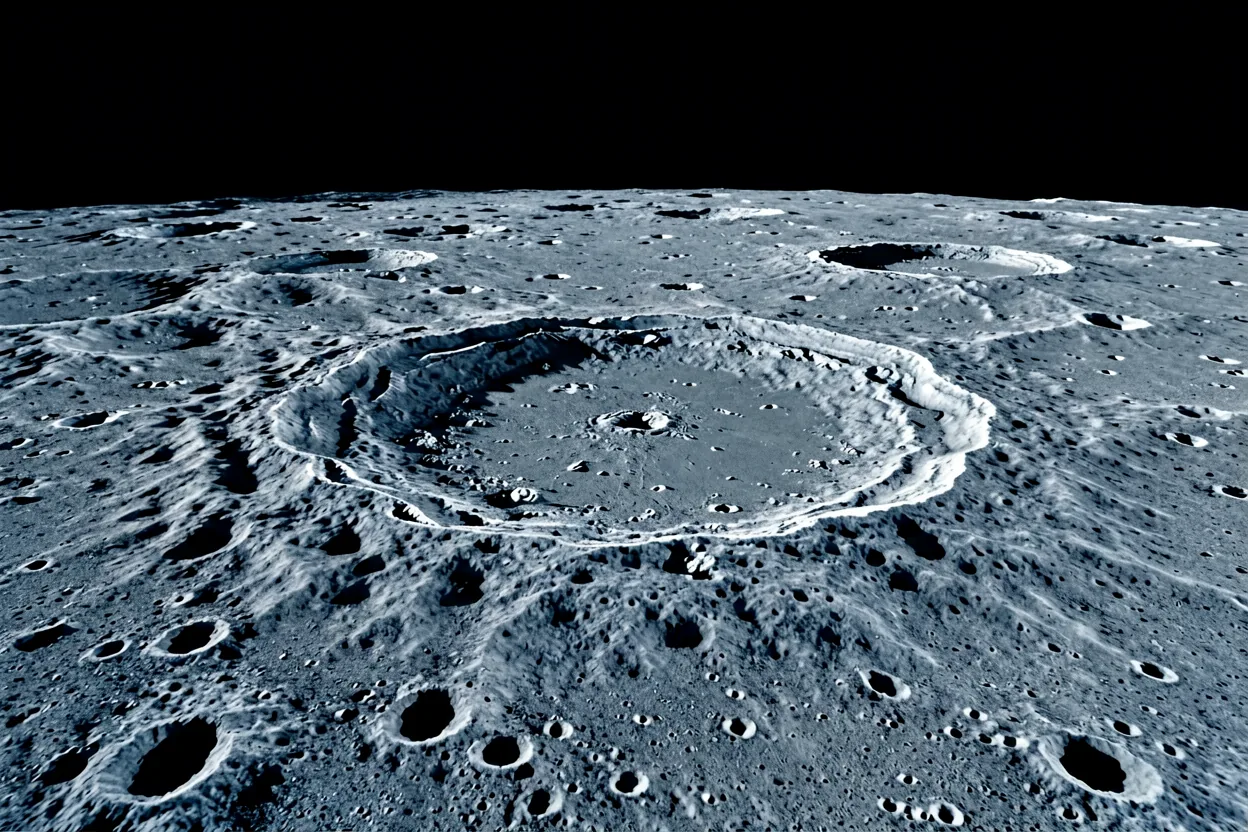
Telescopic detail of the lunar terminator, craters in raking light.
Terminator, 61 percent14 Sep
A deep-sky emission nebula field with faint gas filaments.
Emission field, 340 min02 Nov
Faint green and violet aurora above a snow ridge.
Aurora, unexpected19 Nov
A frozen lake at night mirroring a dense starfield.
Ice mirror, the tarn27 Dec
The dome in silhouette on the ridge crest under stars.
The dome, from the col03 Feb